Saturday, May 15, 2010

When Your Pet Dog Gets Older


Pet Dogs Life Expectancy

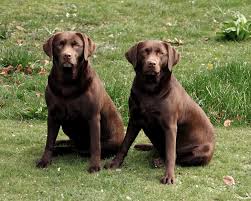
A dog is thought to be old around ten years of age, that number may vary and being elderly could be anywhere from 7 to 10 years of age, depending on the breed. Larger pet dogs, such as Rottweilers tend to have a shorter lifespan than a toy dog such as a Chiwawa. This is because this breed is larger, therefore the heart must work much harder. Frequent visits to the vet will keep you updated as to precisely where your dog is in the life cycle.

Pet Dog Health and Behavior Changes with Age

Regardless of when old age begins, there are changes that are common to all dog breeds. Behavioral problems like diet preference, increased wandering, soiling, and changes in the way your dog interacts with other dogs and people, are all signs that your dog is getting older.

Good Pet Health Dog Care and What to Look for

What you want to do when first noticing any of these behavioral changes is determine the reason. That means an examination and consulting with your vet. A pet dog will begin to have many health issues than they did not have when they were puppies and many times those issues will be the cause of problems such as unprovoked aggression. Regretfully, a grumpy pet dog may be more likely than a human to lash out physically. If a historically non-aggressive dog begins to exhibit aggressive behavior, determine whether it is due to physical problem that can be handled with medication or behavioral correction. If you cannot clearly determine this, make sure that family members and visitors realize that Rocky no longer likes to be petted in a certain manner, for example, the problem is an arthritic hip it is not a good idea to pet Rocky in this area.

Another Cause of a Grumpy Pet Dog

Sometimes, however, decreased functionality of vision or listening may cause fear aggression in a pet dog. When this happens, make sure people know that they should warn the pet of their approach, and not to approach the pet unexpectedly. By saying the dog's name, "Rocky, good boy," if the pet has eyesight issues, or making sure Rocky can see you approaching if he has hearing issues, will usually do help.

Good Pet Health Dog Care Awareness

Despite the fact your pet is not showing aggression, you will want to be aware of other changes in behavior associated with pain or failing senses. A pet dog with these problems may also become withdrawn and show signs of depression. If Rocky starts relaxing all day and won't participate in eating food or playtime, then that may be signals of depression in your pet dog. It is time to make the effort to help with the physical ailments, and make certain the pet is still included in family activities

Faces Of Pet Abuse

As much as people are fond of keeping pets, inhumane actions are often reported from across the globe. Pets serve as man's joy and relief, their furry, cozy, crawling, exotic, terrific, and enriching existence bring a few moments of joy to people's monotonous, tedious lives.

If pet owners eagerly keep pets it should be particularly clear that they fully take the charge and responsibility of their pets because animals too feel pain as human beings do.

Reports of pet abuse from all over the world shows what humans are oblivious of. There are millions of dead animals that have been found in various city corners. People out of some odd reasons and frustration tend to kill their pets and then to avoid getting caught they go and throw them near drums etc. It gives a grotesque picture of inhumanity and inconsideration.

The illiterate and uneducated people often tend to find ways of earning easy money and these are the people who make their dogs get in to fights. They train them by electrocuting them and burning their skins. When they are trained according them they are proud to win money when their dogs end up being horribly injured during fierce dog fights. Then they pat and love them which are more of an irony in the name of pet love.

There are celebrities who are known to wear fur of pet animals. Giving pets as gifts is a trend these days, just wrapped up like a commodity and presented to people without stopping to consider animals are not products.

There are people who keep horses and donkeys for carriages they too are like pets but these people beat their horses and donkeys and push them to carry extra loads without feeding them properly. They die of malnutrition and in some cases they even die of getting severely beaten up. There are vets in this world that treat sick pets with outdated medicines and they end up dead.

Some pets turn wild and hysterical because their owners treat them wildly. They would beat them, keep them chained, give them stale food and make them irritable. These kinds of pets resolve to biting and screaming to let out their feelings. Pets are found locked up in trunks, locked up in attics and forgotten till they are starved to death.

Some drug addicts drug their pets out of spite and watch their reactions as a vulgar means of entertainment. These and a million more faces of human vindictiveness, inconsideration, brutality and viciousness are widely observed yet not taken care of. Such pet abusers fail to realize that animals too are as flesh and blood as themselves.

Why Humans Love Animals

Throughout history, no species has ever been as fascinated with its fellow creatures as human beings. We have hunted animals, eaten them, raised them, bred them, domesticated them, drawn them, composed songs and poetry about them, and loved them for millennia. But why? What is behind this intense fascination we've always had with other creatures, whether fuzzy and cute or scary and dangerous--or both?

The thrill. Nothing compares with the thrill you get when you see a big animal in its natural environment for the first time. We love the excitement of encountering bears, big cats, deer, eagles, owls, and other herbivores and predators. Even though it's ill-advised to do this in the wild, we love to watch them unseen, our breath caught in our throats and our hearts filled with wonder. Just seeing the majesty and power of these remarkable creatures once can be a life-changing experience. Another thing that makes an encounter with a large animal in the wild so memorable is the fact that it's so rare--very few people have the privilege of encountering these animals anywhere, let alone in the wild. We love to go to zoos to see big animals we'd never see in the wild, from a safe vantage point behind glass or bars. Even seeing them in captivity can give us the same sense of excitement.

Curiosity. What do animals do when we're not looking? How do they behave when they're happy, sad, scared, angry, or hungry? How do they hunt, what do they eat, and what can they teach us about being alive? So many of us are thirsty for knowledge about animals and their lives. We want to know how they're similar from us and how they're different. Maybe if we knew all there is to know about other animals, we could better understand ourselves as a species--and have a clearer picture of where we came from. We love zoos and other animal facilities for the opportunity they give us to learn about animals and see them close-up--some zoos even let you shadow a zookeeper for a day. It's hard to find anyone who wouldn't love to have an opportunity to learn more about animals both rare and numerous.

A sense of wonder. As a child, did you have a favorite animal--one that seemed so beautiful, outlandish, powerful, or special you were convinced it had to have magical powers? Some of us fell in love with the expressive beauty of horses, some of us with bizarre and outlandish animals like elephants and giraffes, and some of us with powerful hunters like lions or wolves. We've always secretly wondered what it would be like to run like a cheetah, fly like an eagle, swing like a monkey, or swim like a dolphin. From the biggest whales to the tiniest amoebas, animals have always filled us with a sense of wonder. And with their physical abilities often far beyond ours, animals really do have special powers. As a species, animals have inspired us to learn to fly in planes and go under the sea in submarines--but we can never do it with the grace of a bird or a fish. Maybe that's why so many people care about protecting animals from pollution and poaching. If we lost the great variety of animal species on our planet, we'd kill humanity's sense of wonder and inspiration, as well.

Making a connection. So many of us have loved a pet--whether a dog, a cat, a horse, a parakeet, or a hamster. Anyone who's ever owned a pet will tell you that animals have feelings and emotions, their own intelligence, and their own way of communicating--and that they experienced a strong emotional connection with their pet. We love that connection we have with our pets, and many of us believe it's possible to foster a connection with any animal, no matter how different from us. We dream of forging bonds with lions and tigers, getting to know monkeys and horses, and communicating with dolphins and whales. We love when a fierce bird of prey lands on our arm without hesitation, when a cat cuddles trustingly in our laps, when a horse nickers to us like he's greeting an old friend. Many animal-lovers will tell you that animals make wonderful friends--they don't lie, they don't judge, and they don't hate. No matter your reason for craving that connection with an animal, most in our species do. When we're communicating with an animal, we humans feel less alone.

In the end, it's hard to say exactly why we love animals. But humans have always wanted to get as close to animals as possible--and not just to hunt them. Animals have always inspired our imaginations, thrilled our spirits, and tugged at our heartstrings. It's a partnership that will continue as long as humans share space on earth with other living creatures.


Which Animals Do You Like?

It's well known that one can make quite true conclusion about a person, looking at his pet. But few of us know that well-marked antipathy for some or other kind of domestic animals also means a lot. We offer your attention a short manual on psychology of admirers and opponents of different kinds of domestic animals.

Cat

Who and why likes

Cat is a symbol of feminity and independence. A woman always imagines herself as such a mysterious, graceful, languorous, downy and slightly predatory cat. A cat is an alter ego of an owner, so if one dislikes a cat, he also dislikes her owner herself. Ladies, who combine advantages of both sexes harmoniously, usually get cats. Such women are beautiful and intelligent, feminine and efficient, sweet and persistent in gaining her goal. Spinster replaces her non-existent baby by a cat. Cat also needs care and tenderness, she's playful and naughty, like a child. A lonely woman with a cat treats men distrustfully, and enters into intimate relationships unwillingly.
Children like cats, because cats resemble a mother's image, stamped in our genetic memory, warm, soft and purrs blandly. A man that likes cats accepts a woman's right to be independent. As for bachelor, who got a cat, he is all-sufficient and will hardly ever marry, as he already has a "girl-friend".

Who doesn't like

Hatred against cats means antipathy to the whole female sex. There's even such term "cat-phobia". "Cool" big men, who battle desperately with their hidden homosexual tendencies, suffer from it. He should love women, but they don't rouse him, so he lives with some lady immoderately and chokes with horror while seeing her little cat, it reminds him of the fact that he's not a man enough. As soon as he passes through appropriate psychotherapeutic treatment and realizes his real fears, his fear of cats disappears. And then he begins to suffer from his homosexuality, but this is quite another story already. If a woman hates cats, this means she denies her female essence and is afraid to show her independence.

Dog

Who and why likes

For woman, her dog is almost always a symbol of a man. Even if a dog is of female sex. Looking at a dog's breed, you can always tell which male advantages an owner values most of all. A large sheep dog says that an owner needs a defender and reliable support. A woman, who bought a French bulldog, values devotion, trustworthiness, constancy and sense of humor in her partner. A lady with Doberman has strong will-power and challenges men: "Who of you can protect me better, than he does?" A lady with a biting, cowardly and malicious, like a demon, creature in her hands makes great demands of men, searching for unreal advantages in them, and thus, she's seldom happy in marriage.

A man always identifies himself with his dog. That's why a peaceful accountant, walking with a bull terrier, is always aggressive in his soul. A man, who likes long-haired collie, is sentimental, vulnerable, but being in a critical situation, he's courageous and ready to protect his flock to the uttermost (by the way, the latest phrase concerns all sheep dogs-fanciers too). The one, who bought a rottweiler, has a sharp character, prefers loneliness and tames difficultly. Almost all dog-fanciers, regardless of their sex, are intolerant to other people's independence and strive to control life and actions of close people.
A child searches for a friend and defender in a dog. An obstinate striving of a child to have a puppy says about his inner loneliness or fear of life and only sometimes about his wish to get a merry companion for games. It won't be enough just to buy him a puppy, you should also present your baby communication, protection or entertainments.

Who doesn't like

Not malicious and cruel people hate dogs, as people sometimes consider. The one, who doesn't bear dogs, either is too timid and afraid of these biting and loudly barking predators, or prefers to search for love and friendship in the world of people and doesn't understand why he should get a little wolf to himself. Many people sicken the necessity to break other living creature, to become a leader of a troop, don't want to turn to be a slave of a domestic animal, as some owners readily do, so they refuse to get a dog at home flatly.

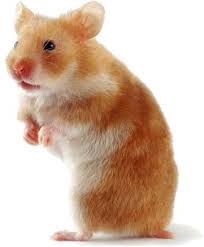
Hamster and guinea-pig

Who and why likes

Those, who love all small and fluffy, need a strong man's protection, tenderness, care and feel small and helpless. That's why children ask for hamsters so often, they want to be big, strong and careful for little animals.

Who doesn't like

If a person cannot stand other people's stupidity, he'll hardly ever be touched while seeing a hamster or guinea-pig.

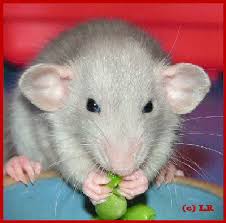
Rat

Who and why likes

A domestic rat is intelligent, white and fluffy. Loving a rat is the same as declaring to the whole world: "I'm not a bore, I have original thought, and your stereotypes have no power over me!". The one, who likes rats, will learn everything firstly, touch and check, and only then make his conclusion, and he doesn't care for other people's opinion. If a child brought a rat at home, this means he has rather sociable, curious and kind-hearted character.

Who doesn't like

Conservative, cautious people, keeping to beaten tracks in life, and also shy, diffident people cannot stand white rats.

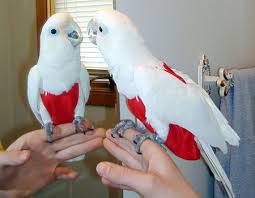
Parrot

Who and why likes

Melancholic, vulnerable and very naпve persons, boring in silence and loneliness, buy noisy and theoretically long-living parrot. They don't even suspect of lots of troubles, which these delicate little birds, aiming constantly at dying of pneumonia, can give to their owner. Parrot reminds romantics of tropical islands, pirates and compensates for a deficiency in traveling in everyday life.
Pensioners' epidemic infatuation for parrots is a forced event and doesn't have any psychological hidden motive: many old people would like to get a dog, but they don't have enough forces to walk with it.

Who doesn't like

Irritable, quick-tempered or burdened with some serious stressed work people. Such man cannot value the whole humor of the situation, when a small bird swoops on his head and gets tangled in his hair. Sybarites, who value peace and harmony, have no special liking of stridently chirping parrots.

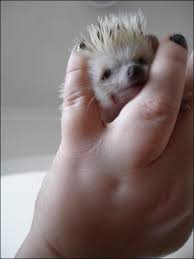
Hedgehog

Who and why likes

Hedgehog is spiny, but has a soft and delicate belly. Hedgehog-owners are harsh in appearance, and vulnerable in soul. They think they should be harsh among people, respond with a proactive blow to any semblance of attack, and later they suffer that they offended innocent people. They are not able to betray, they are often straightforward. Women often choose hedgehogs, life makes them to be cutting, and in a hedgehog such woman likes herself, so vulnerable under thorns. And some are delighted with a hedgehog's ability to roll itself into a thorny ball and wait through troubles. And such person, regardless of his age and sex, needs a defender.

Who doesn't like

The one, who slipped his foot in a slipper in the morning and understood, where this night animal decided to fall asleep.

Fishes

Who and why likes

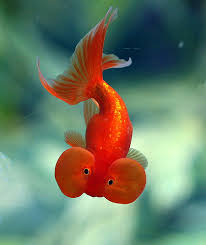
Two categories of people prefer silent fishes. The first one includes active, emotional, spirited people; they calm down looking at slow motions of some fish. For them, aquarium with fishes is just a detail of interior, like a TV-set. The second one includes original and somewhat eccentric thinkers. These people like cold-blooded fishes for their dissimilitude on people and, contemplating underwater world, escape from reality. They are quite aggressive and watch calmly how such beautiful creatures devour each other or eat their own spawn.

Who doesn't like

Individual extremely sensitive people, who cannot stand aggression in any form.

Tortoise

Who and why likes

An embodiment of reliability and complete peace, not in vain, according to Chinese mythology, the Earth is resting on a gigantic tortoise's shell. Connoisseurs of comfort and stability, with delicate soul organization, buy tortoise. A tortoise will never replace neither husband, nor friend. If a tortoise lives in a house of a lonely woman or man, this means they are striving for love, open to proposals and ready for long and stable relationships.

Who doesn't like

A slow-moving tortoise irritates impetuous, sociable, talkative people, needing listeners and concentrated on their own problems.
Saying No to Stray Animals Your Child Brings Home

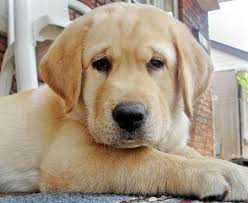
If your child loves animals you may have more than one pet in your home. If your child REALLY loves animals, you've probably had your share of stray animals making their way into your home. It could be that you've had one too many strays become pets, so how do you say "No" to the stray animals your child brings home?

Chances are you already have at least one pet, if not a few more. If you've always said "yes" when your child brings home strays, it may be difficult to say "no" now. Here are some ideas to help you say no and mean it.

Start by setting some rules for when a stray animal comes to your home:

1. Always handle an unfamiliar animal carefully. They may bite if they're scared or hurt. Call the local animal control people to come and get it.

2. All stray animals must be kept outside until a decision is made about them. You have no idea if the animal is feral or if it has wandered from home.

3. Every effort will be made to find a stray animal's original home. Check for a license or ID tag with a telephone number on it. If a tag isn't evident, you will have to check its body. They may have a tattoo inside the ear, on its gums, or the inner skin of the back legs.

4. It would be best to turn the animal in at the local shelter. The owner may be looking for it.

5. Make flyers with a picture of the animal and a description of it to place around town if you decide to keep the animal at home. Put contact information on the flyer so the owner can retrieve their pet.

If no one claims the animal you can either take it to a shelter or keep it. Your child will most likely ask to keep it, even more so if they can't find an owner. Now what?

Don't make a decision immediately. Tell your child that you need to discuss it with your spouse before a decision is made. Take time to discuss the prospects of adding a new "member" to the family. Who will take care of it? Where will it sleep? Who will clean up after it? Can you actually afford another animal?

Suggest to your child that if they want to keep this animal, they have to let one of the other pets go. While this may seem harsh, it will make your child seriously look at the pet and whether they want it. If they agree to give away another pet, you may have to take it a step further.

Next ask them if they'd be willing to pay for the veterinarian bills and food for the animal. If having the animal will cost them something personally they may decide they don't want to keep it. However, you may be surprised.

Parents don't like telling their child "no" but sometimes it is necessary. In this case you're not really saying "no" to your child, but to the animal. After you've told them they can't keep the animal, stick to your guns and don't back down on your decision.


About Pet Cages

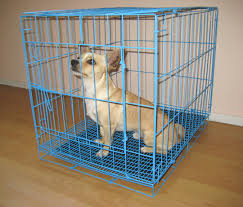
Placing animals in cages is generally considered to be a cruel thing, but many people who do not own pets do not know that some animals do not suffer as a direct result of living in a cage, or spending most of its time in a cage. Pet lovers everywhere are looking for better ways to provide a home for their beloved pets, it is the pet owner that is the party which is most interested in its pets comfort and will also go through many difficulties in supplying the best home he can find, build or buy.

This is mostly true when talking about owners of pets who are generally considered dangerous, like snakes and other reptiles, these are animals that you would want to keep away from your living room and on the same time some people love these kind of animals and enjoy watching them grow and live their lives. The solution is a pet cage that will provide security for the pet owner and his family and in the same time give the animal a spacious place to live and spend most of its time.

The pet cages are just a modern version of the animal cage that humans used many years ago to hold their wild animals, after a while these became the domesticated animals and most of them were released out of the cages because of the relationship between the animals and the humans, dogs and cats are an excellent example of animals who were first placed in cages and afterwards granted the freedom of movement which relayed heavily on the connection between pet and owner.

Some pet owners will tell you that some pets like to have a place of their own, a well placed cage can take care of the natural need for a secure space, and the pet cage can also work well in many cases in which the owner needs to transfer the pet to some other location, sometime to a visit to the veterinarian, a flight or while moving to a different house. The great advantage in having a pet that is used to its pet cage is that no matter where you place the pet it will always feel at home if it has the cage nearby.

Deciding on what kind of pet cage you want is sometimes the hardest decision, it is naturally dependent on the kind of pet you have or want to keep in the cage, from rabbits for iguanas, the sort of cage, material and build is completely different. When looking for a pet cage to buy you should always talk to a veterinarian first, and make sure you know what kind of space the animal needs and what will be the health issues you will need to address.

If you are building your pet cage you will probably need to look for good design plans and talk to owners of pets that use all kinds of different cages, you will be amazed at how much information is available on the internet and how much help some people will be willing to offer, all you need to do is try and contact your fellow pet owners.


Privacy Police

Privacy Policy for http://oi-honeypets.blogspot.com/

If you require any more information or have any questions about our privacy policy, please feel free to contact us by email at ardli.barbie@gmail.com.

At http://oi-honeypets.blogspot.com/, the privacy of our visitors is of extreme importance to us. This privacy policy document outlines the types of personal information is received and collected by http://oi-honeypets.blogspot.com/ and how it is used.

Log Files
Like many other Web sites, http://oi-honeypets.blogspot.com/ makes use of log files. The information inside the log files includes internet protocol ( IP ) addresses, type of browser, Internet Service Provider ( ISP ), date/time stamp, referring/exit pages, and number of clicks to analyze trends, administer the site, track user’s movement around the site, and gather demographic information. IP addresses, and other such information are not linked to any information that is personally identifiable.

Cookies and Web Beacons
http://oi-honeypets.blogspot.com/ does use cookies to store information about visitors preferences, record user-specific information on which pages the user access or visit, customize Web page content based on visitors browser type or other information that the visitor sends via their browser.

DoubleClick DART Cookie
.:: Google, as a third party vendor, uses cookies to serve ads on http://oi-honeypets.blogspot.com/.
.:: Google's use of the DART cookie enables it to serve ads to users based on their visit to http://oi-honeypets.blogspot.com/ and other sites on the Internet.
.:: Users may opt out of the use of the DART cookie by visiting the Google ad and content network privacy policy at the following URL - http://www.google.com/privacy_ads.html

Some of our advertising partners may use cookies and web beacons on our site. Our advertising partners include ....
Google Adsense


These third-party ad servers or ad networks use technology to the advertisements and links that appear on http://oi-honeypets.blogspot.com/ send directly to your browsers. They automatically receive your IP address when this occurs. Other technologies ( such as cookies, JavaScript, or Web Beacons ) may also be used by the third-party ad networks to measure the effectiveness of their advertisements and / or to personalize the advertising content that you see.

http://oi-honeypets.blogspot.com/ has no access to or control over these cookies that are used by third-party advertisers.

You should consult the respective privacy policies of these third-party ad servers for more detailed information on their practices as well as for instructions about how to opt-out of certain practices. http://oi-honeypets.blogspot.com/'s privacy policy does not apply to, and we cannot control the activities of, such other advertisers or web sites.

If you wish to disable cookies, you may do so through your individual browser options. More detailed information about cookie management with specific web browsers can be found at the browsers' respective websites.